
What to Expect During a Custom Home Build in Sarasota: A Phase-by-Phase Timeline
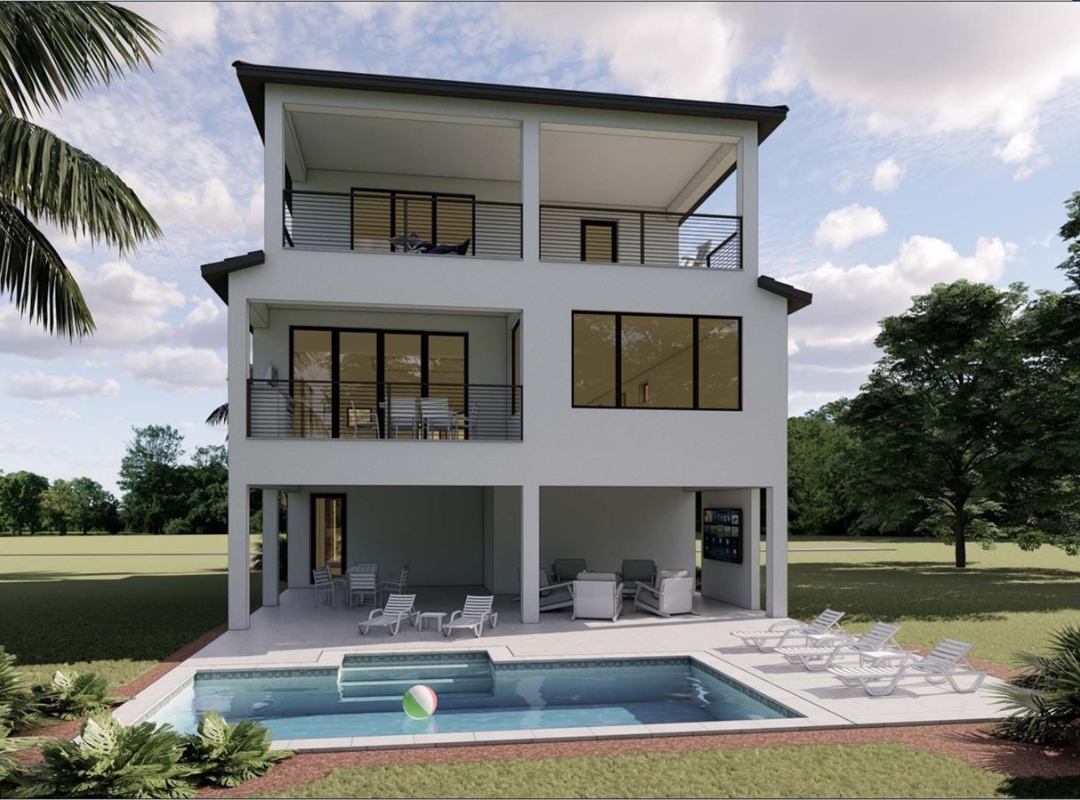
A custom home build timeline in Sarasota runs 18 to 24 months from initial consultation to move-in for most luxury projects, with pre-construction accounting for roughly half that time. Buyers who plan around this reality build better homes and avoid the budget and schedule overruns that catch underprepared clients off guard. This guide breaks down every phase, what happens in each one, what you as the buyer should be doing, and how Florida’s specific conditions shape the timeline in ways that no out-of-state estimate will account for.
The Custom Home Build Timeline in Sarasota: Phase by Phase
Phase 1: Consultation and Site Evaluation (Months 1–2)
Every custom home build begins before a single plan is drawn. The first phase is a discovery process: understanding your program, evaluating your site, and establishing a realistic budget framework based on what the land and your goals actually require.
In Sarasota, site evaluation is not a formality. Whether you are building on the mainland, in Lakewood Ranch, or on a barrier island like Siesta Key or Longboat Key, the site conditions directly shape what the build will cost and how long it will take. FEMA flood zone designations, coastal setbacks, soil conditions, and utility access all need to be assessed before design begins.
Our management consulting and site evaluation service is designed to give buyers a clear, accurate picture of what their project requires before any financial commitments beyond the land are made. This is the phase where the most expensive mistakes are prevented.
What you should be doing: Finalizing your lot decision, establishing your total project budget inclusive of land, construction, design, and landscaping, and selecting your builder before you close on the land.
Phase 2: Design and Architecture (Months 2–6)
Once the site is confirmed and the budget framework is established, design begins. For a true custom home, this phase involves developing architectural plans that are specific to your lot, your lifestyle, and your aesthetic direction. It is not a process of selecting from existing plans. It is a process of building from scratch.
In an integrated design-build model, the construction team is involved during design, not after. This matters because design decisions made without construction input frequently produce plans that are beautiful on paper and expensive to build in practice. When the architect, interior designer, and builder are working together from the start, those conflicts are resolved before they become change orders.
For Sarasota coastal builds, design must also account for Florida Building Code wind load requirements, impact glazing specifications, and in many cases Florida Department of Environmental Protection review for properties near the coastline. These are not last-minute additions. They are core to the design and must be addressed during this phase.
What you should be doing: Making all major interior and exterior selections before construction documents are finalized. Material and finish decisions made after permitting are the primary source of change orders and schedule delays.
Phase 3: Permitting (Months 5–8)
Permitting in Sarasota County is a structured process, and for coastal builds, it involves layers beyond standard residential review. Plan review timelines vary based on project complexity, current department workload, and whether revisions are required. Coastal construction projects may also require concurrent state-level review through the Florida DEP, which runs on its own timeline independent of the county process.
Experienced Sarasota home builders anticipate this phase and sequence the project so that permitting runs concurrently with final selections and pre-construction planning rather than sitting idle waiting for approvals. Builders who treat permitting as something that happens after everything else is ready will cost you months on the schedule.
What you should be doing: Completing all interior finish selections during this phase so that construction can begin immediately upon permit issuance. This is one of the highest-leverage moves a buyer can make to protect the schedule.
Phase 4: Site Work and Foundation (Months 7–10)
Once permits are issued, site preparation begins. For most Sarasota builds, this includes clearing, grading, underground utility work, and foundation construction. On barrier island and coastal sites, elevated foundation systems add time and complexity to this phase that standard mainland builds do not require.
June through September brings Florida’s rainy season, which affects scheduling for site work and concrete pours. An experienced local builder accounts for this in the project schedule from the start. Builders who schedule without regard for Florida’s weather calendar will lose time to conditions that were entirely predictable.
What you should be doing: Staying in close communication with your builder’s point of contact and reviewing schedule updates as site conditions evolve. This is also the phase to finalize any mechanical, electrical, or plumbing specifications that affect rough-in work.
Phase 5: Framing, Mechanical Rough-In, and Enclosure (Months 9–14)
With the foundation complete, vertical construction begins. Framing, roof installation, window and door installation, and mechanical rough-in for HVAC, plumbing, and electrical all happen in this phase. For luxury custom homes, the complexity of this phase scales directly with the ambition of the design: custom rooflines, ceiling heights, and structural features all require more time than standard residential construction.
Impact-resistant window and door systems, required by the Florida Building Code for Sarasota’s wind-borne debris region, have lead times that must be ordered well in advance. Builders who do not order these systems early enough will face delays waiting for product that could have been on-site when needed.
What you should be doing: Confirming all specialty material orders are placed and lead times are tracked. This is also the phase to conduct rough-in inspections and address any design clarifications before walls are closed.
Phase 6: Interior Finishes and Systems (Months 13–18)
Once the structure is enclosed and rough-ins are inspected, interior finish work begins. Drywall, flooring, cabinetry, tile, millwork, fixture installation, and finish painting all happen in this phase, typically with multiple trades working in sequence. The quality and coordination of this phase determines the final look and feel of the home.
This is where selections made months earlier in the design phase pay dividends. Clients who finalized all selections during Phase 2 move through this phase smoothly. Clients who are still making decisions during construction create sequencing conflicts that cost time and, in some cases, require completed work to be redone.
What you should be doing: Conducting regular walkthroughs with your builder’s point of contact to review progress and address any concerns before they compound. Punch list items identified early are always less costly to resolve than those discovered at final walkthrough.
Phase 7: Final Inspections, Punch List, and Handover (Months 17–20+)
The final phase includes all required inspections for certificate of occupancy, systematic punch list completion, and the white-glove walkthrough with your builder before keys are handed over. At Nutter Custom Construction, this phase also marks the beginning of our ongoing custom home construction process relationship, not the end of it.
A thorough handover includes documentation of all systems, warranty information, and an introduction to ongoing maintenance requirements for a Sarasota coastal home. Buyers who receive this level of transition support are better prepared to maintain their investment at the standard it was built to hold.
| Phase | Typical Duration | Key Buyer Action |
|---|---|---|
| Consultation & Site Evaluation | Months 1–2 | Finalize lot, select builder, set total budget |
| Design & Architecture | Months 2–6 | Complete all interior and exterior selections |
| Permitting | Months 5–8 | Lock in finish selections, order long-lead materials |
| Site Work & Foundation | Months 7–10 | Finalize MEP specifications, monitor schedule |
| Framing, Rough-In & Enclosure | Months 9–14 | Confirm specialty orders placed, conduct rough-in reviews |
| Interior Finishes & Systems | Months 13–18 | Regular walkthroughs, early punch list review |
| Final Inspections & Handover | Months 17–20+ | Punch list completion, certificate of occupancy, walkthrough |
How Florida’s Climate Affects Your Build Schedule
Florida’s rainy season runs June through September and brings daily afternoon storms that affect concrete work, site grading, and exterior installation schedules. Hurricane season runs June through November, and while construction does not stop, severe weather events can cause material delivery delays and temporary work stoppages that ripple through the schedule.
Experienced Sarasota home builders build weather contingency into every schedule from the start. Builders who do not plan for Florida’s seasonal patterns will consistently deliver homes late. When evaluating builders, ask specifically how they account for rainy season and hurricane season in their project schedules. The answer will tell you a great deal about their local experience.
For more detail on our full approach to the custom home building process, visit our services overview or browse our current listings to see completed projects across the Sarasota market.
Frequently Asked Questions
Understanding the timeline before you begin is one of the most valuable things you can do for your custom home project. If you are in the early stages of planning and want a realistic conversation about what your build will involve, we are glad to have it.
 © Nutter Custom Construction